
The sustainable alternative
by TSF Studios.
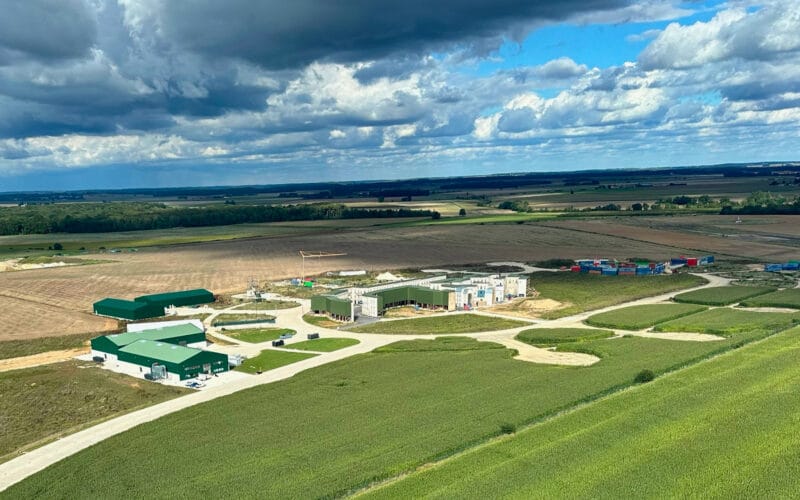
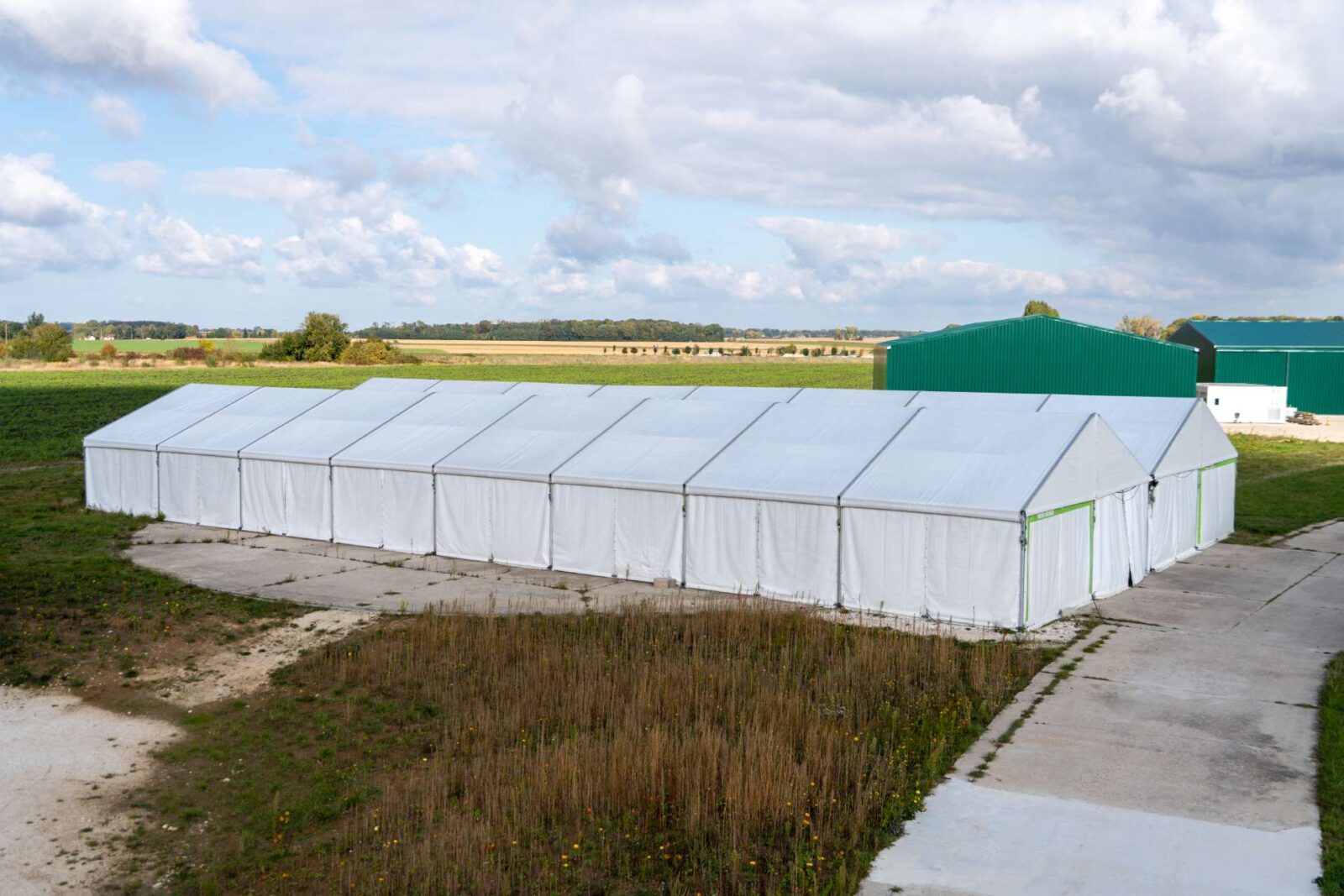
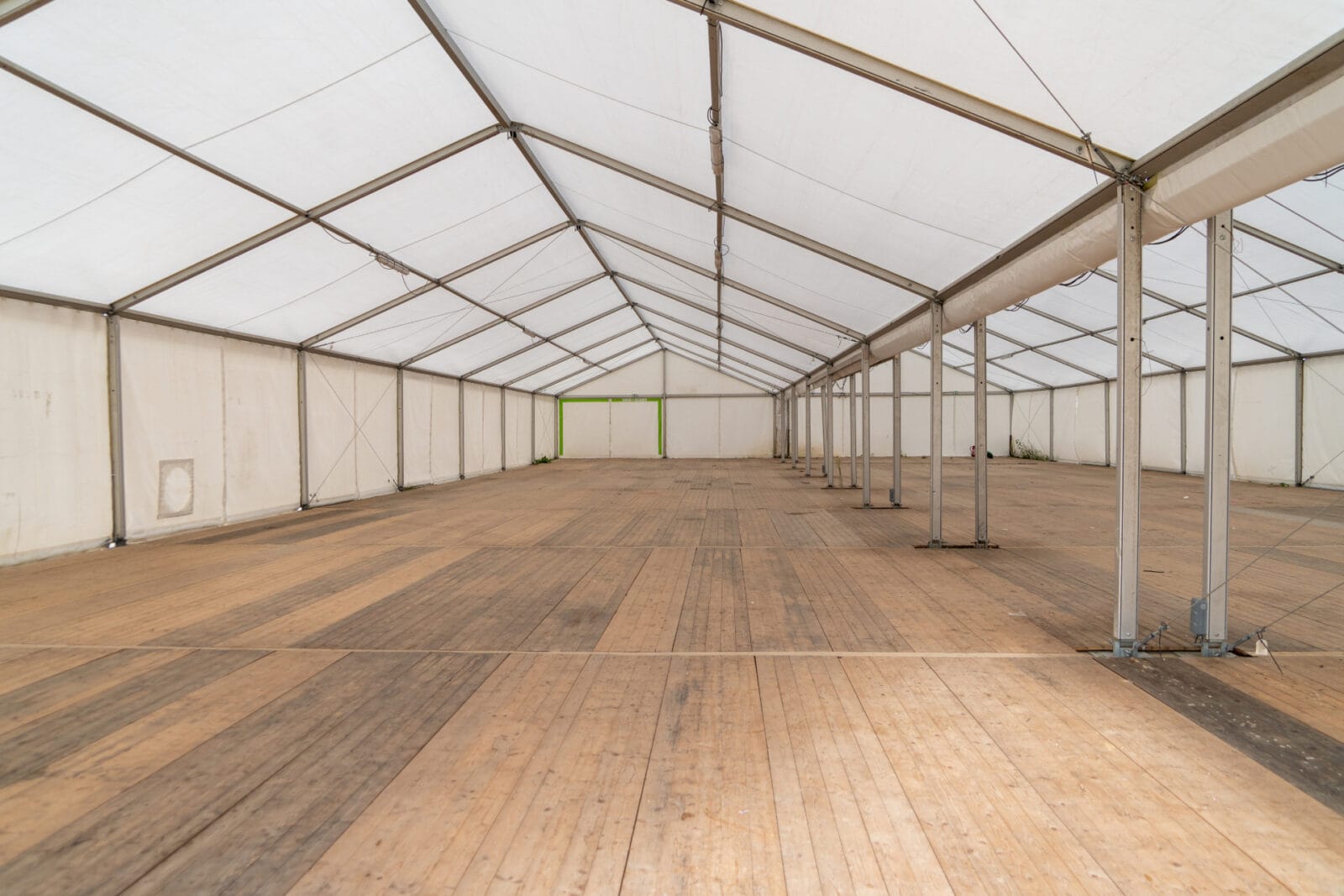
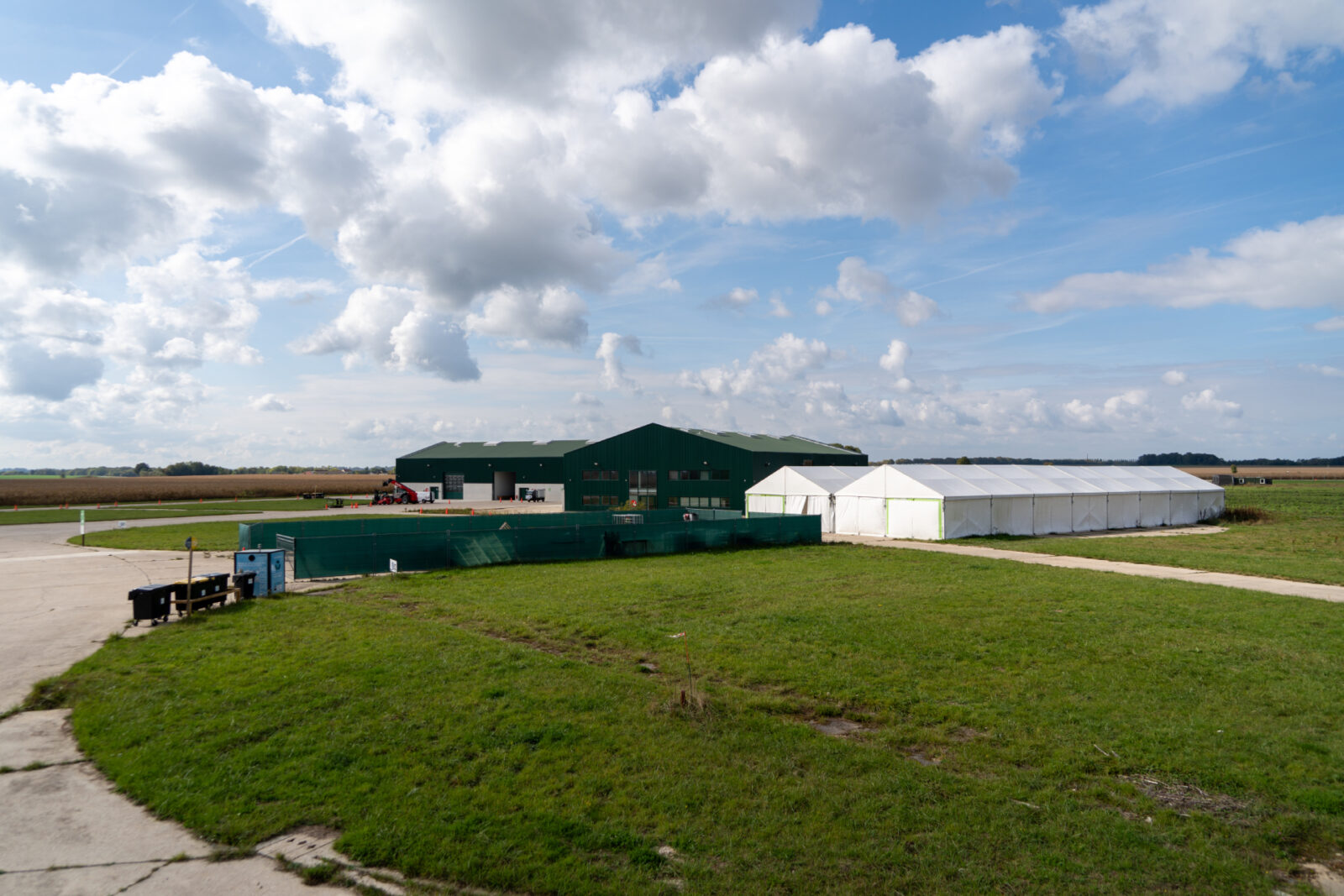
A site designed to combine production and sobriety.
-30% reduction in carbon emissions by 2035
(vs. conventional studios with no CSR policy – equivalent to 436 Paris-New York round trips avoided)


An approach based on
the 7 pillars of the circular economy.
Sustainable supply
- Local suppliers and short supply chains
- Responsible sourcing
- Biosourced, recyclable, reusable materials
eco-design
- Energy-efficient buildings (high-performance thermal and acoustic insulation)
- Recycled and low-carbon materials (wood, recycled-aggregate concrete, etc.)
- Limited soil artificialization (reuse of existing roads, etc.).
Industrial and territorial ecology
- Institutional partnerships (DGAC/ADP)
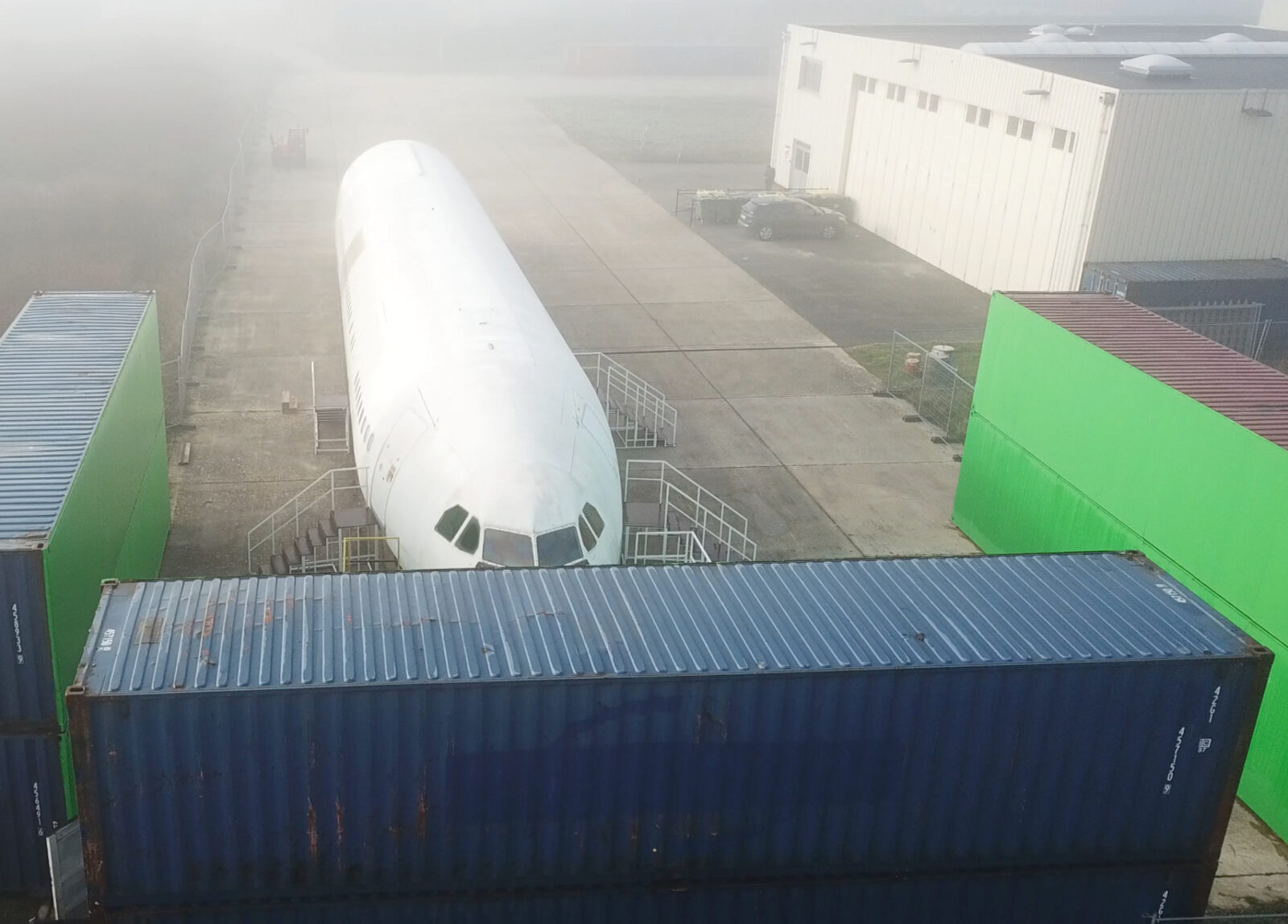
- Located on a former military wasteland
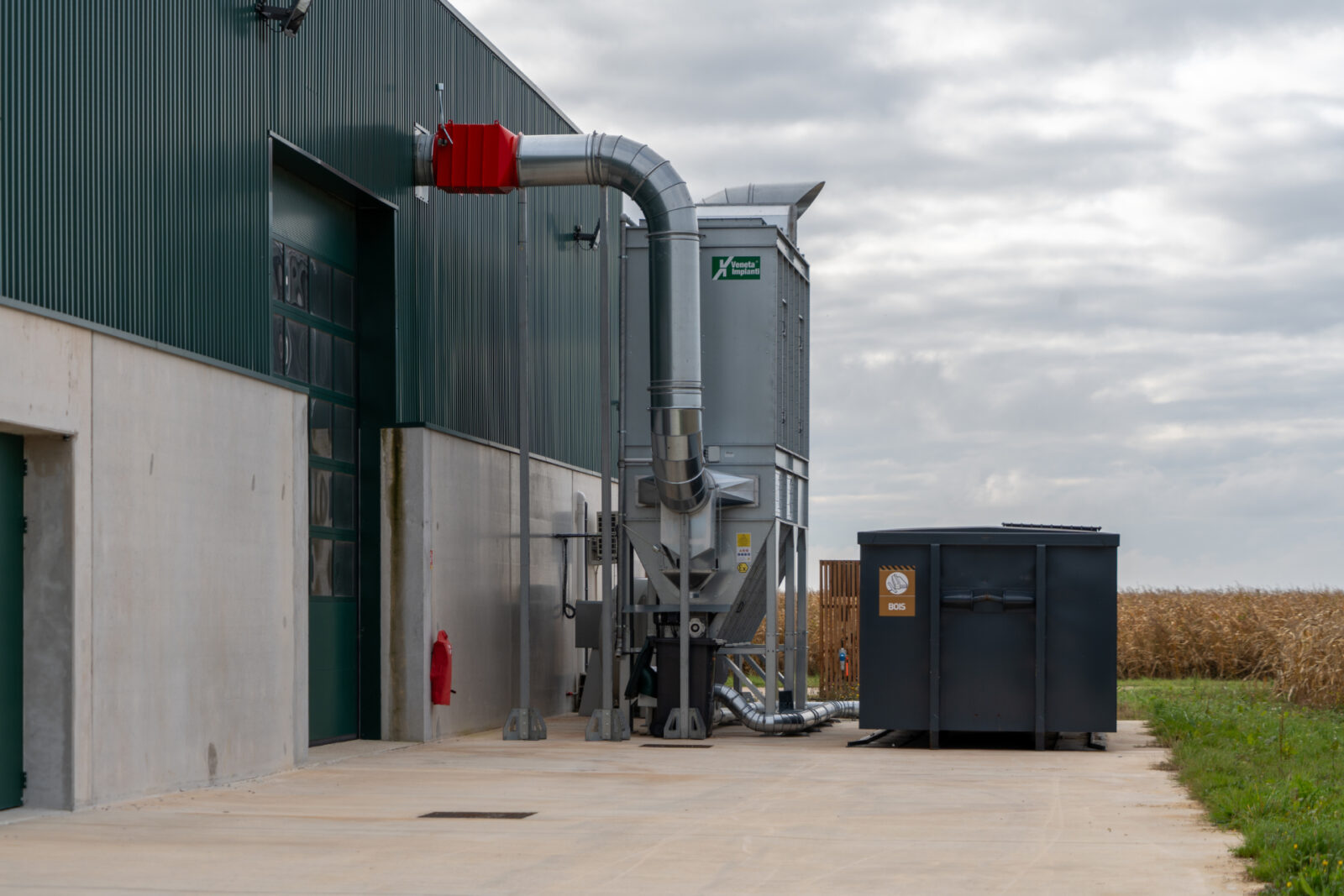
- Local waste valorization
Functional economy
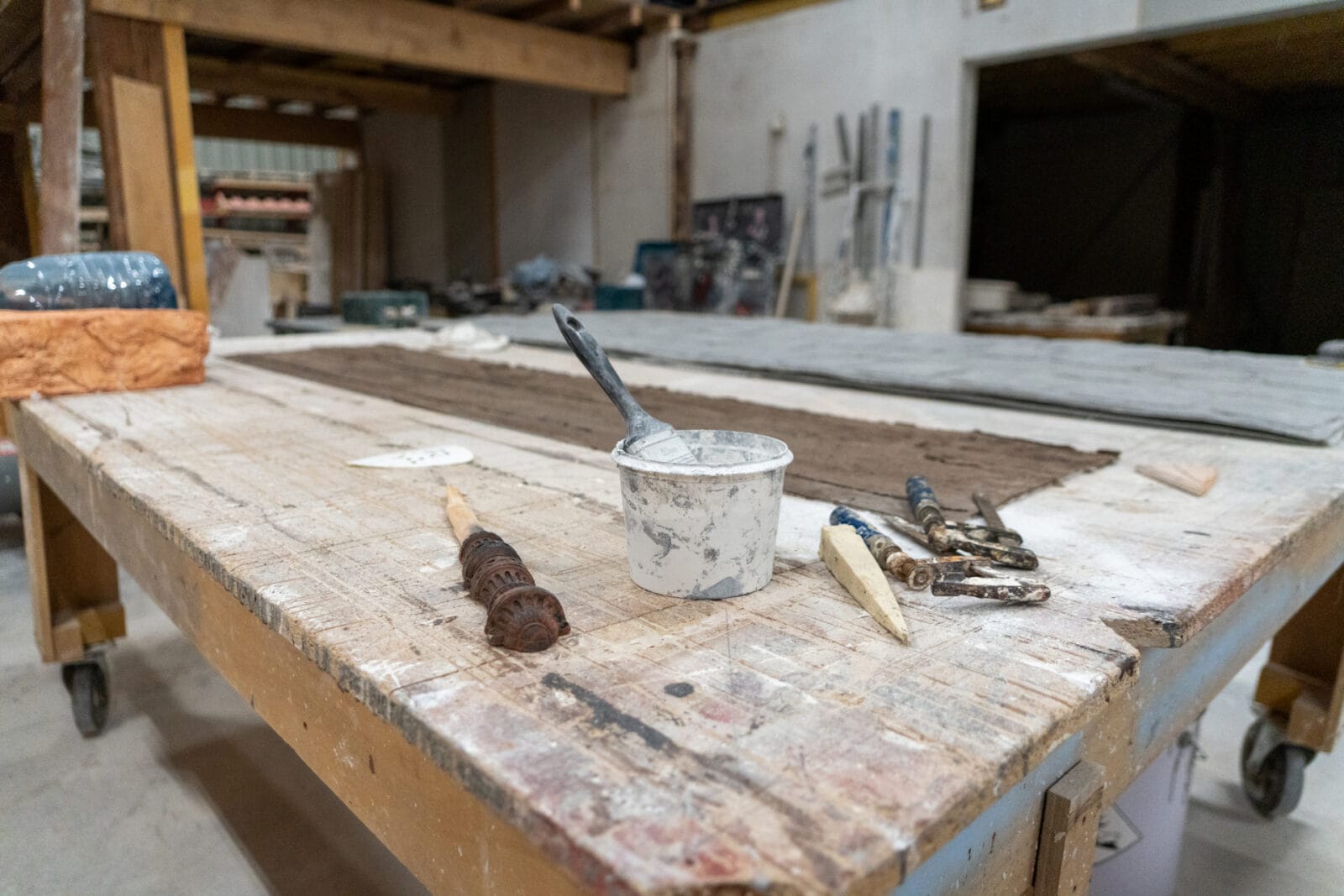
- On-site materials library (recycling, reuse, deconstruction)
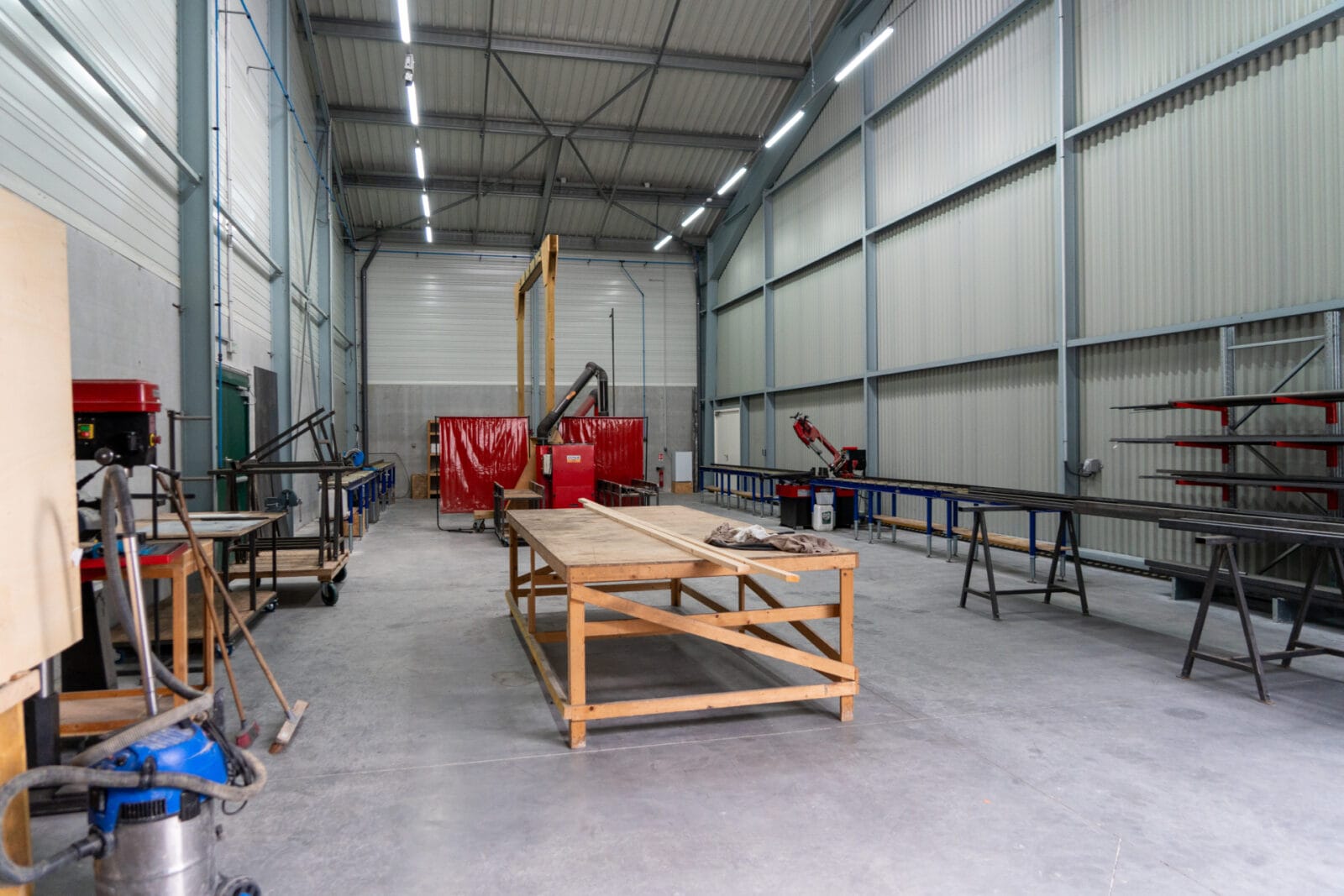
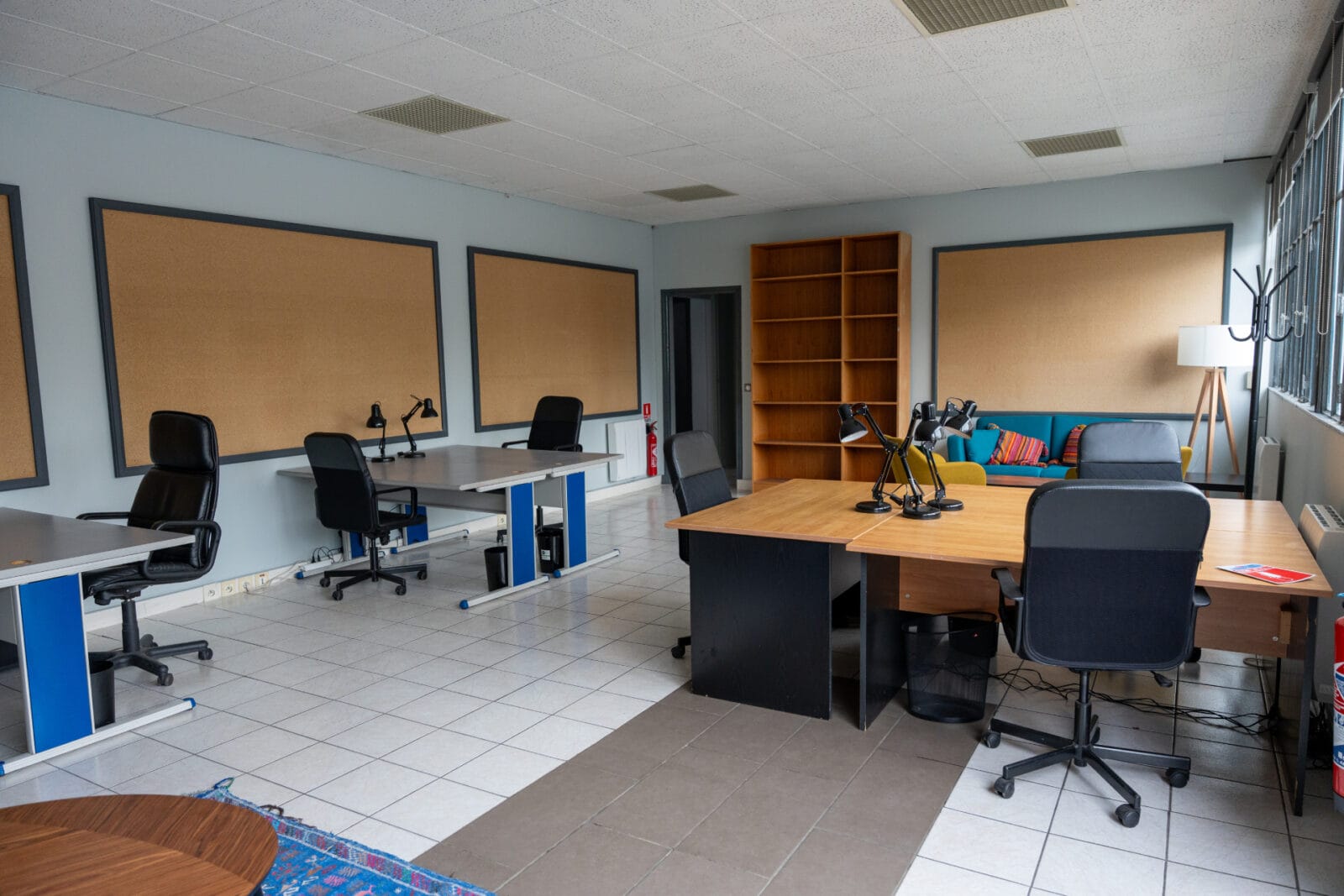
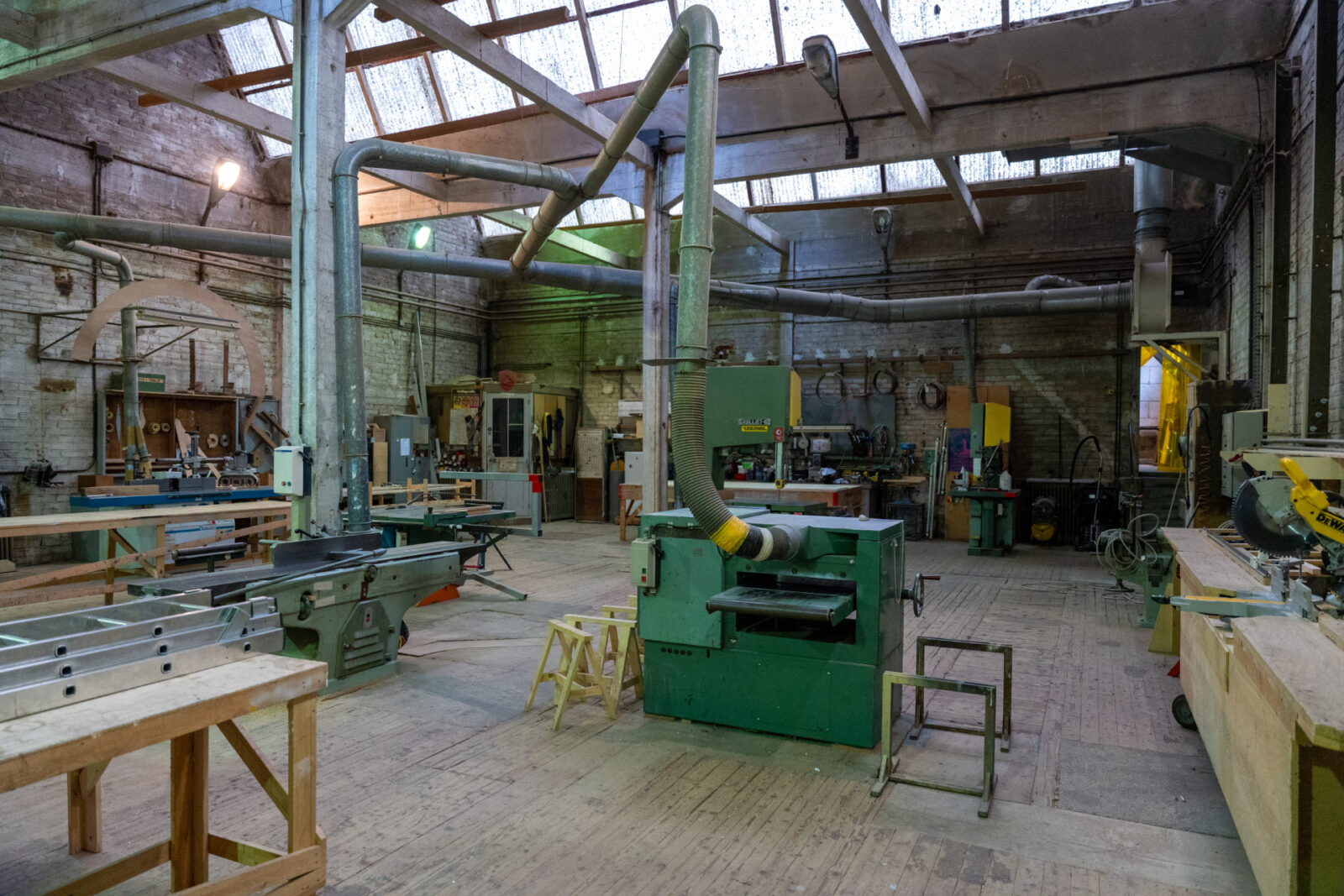
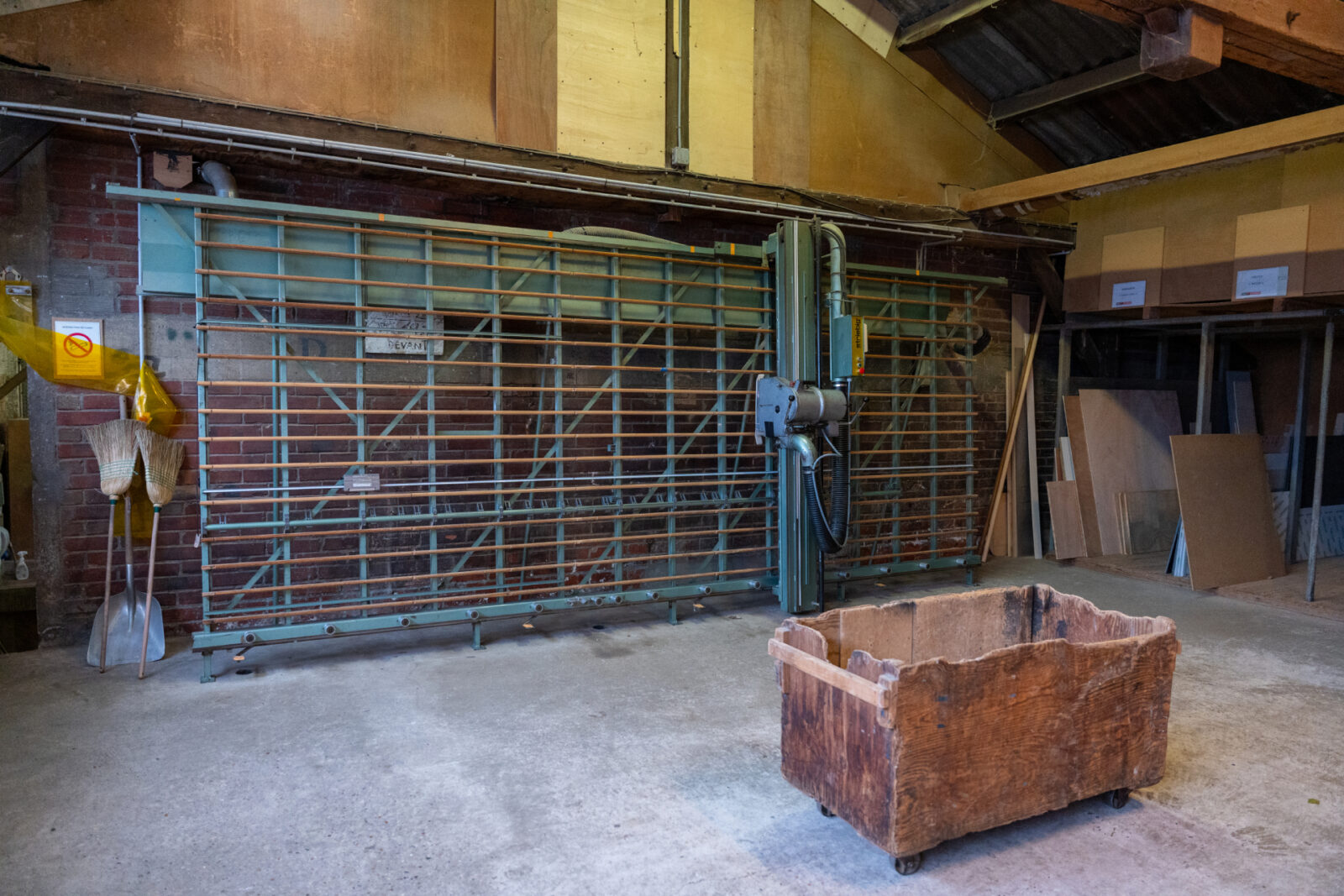
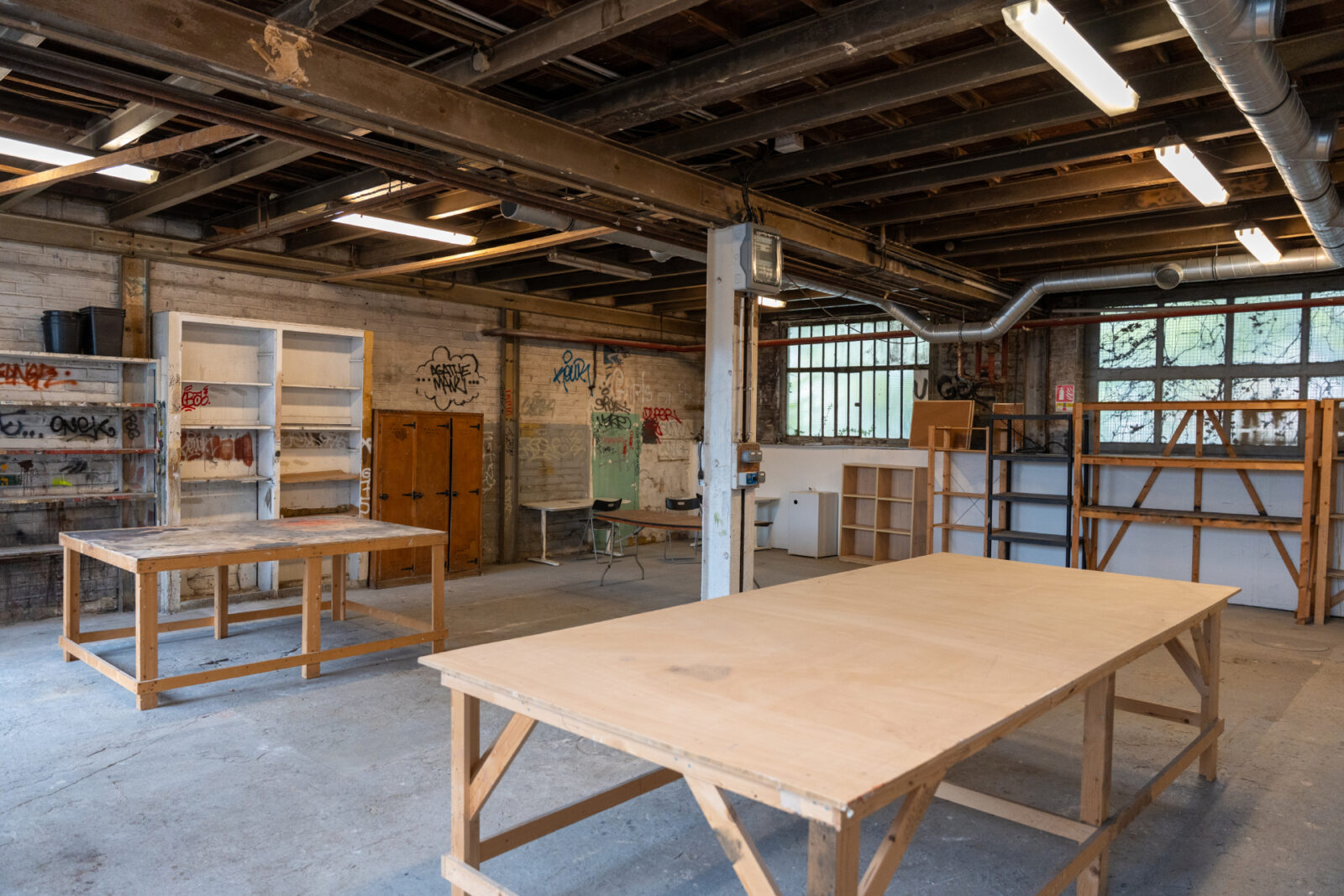
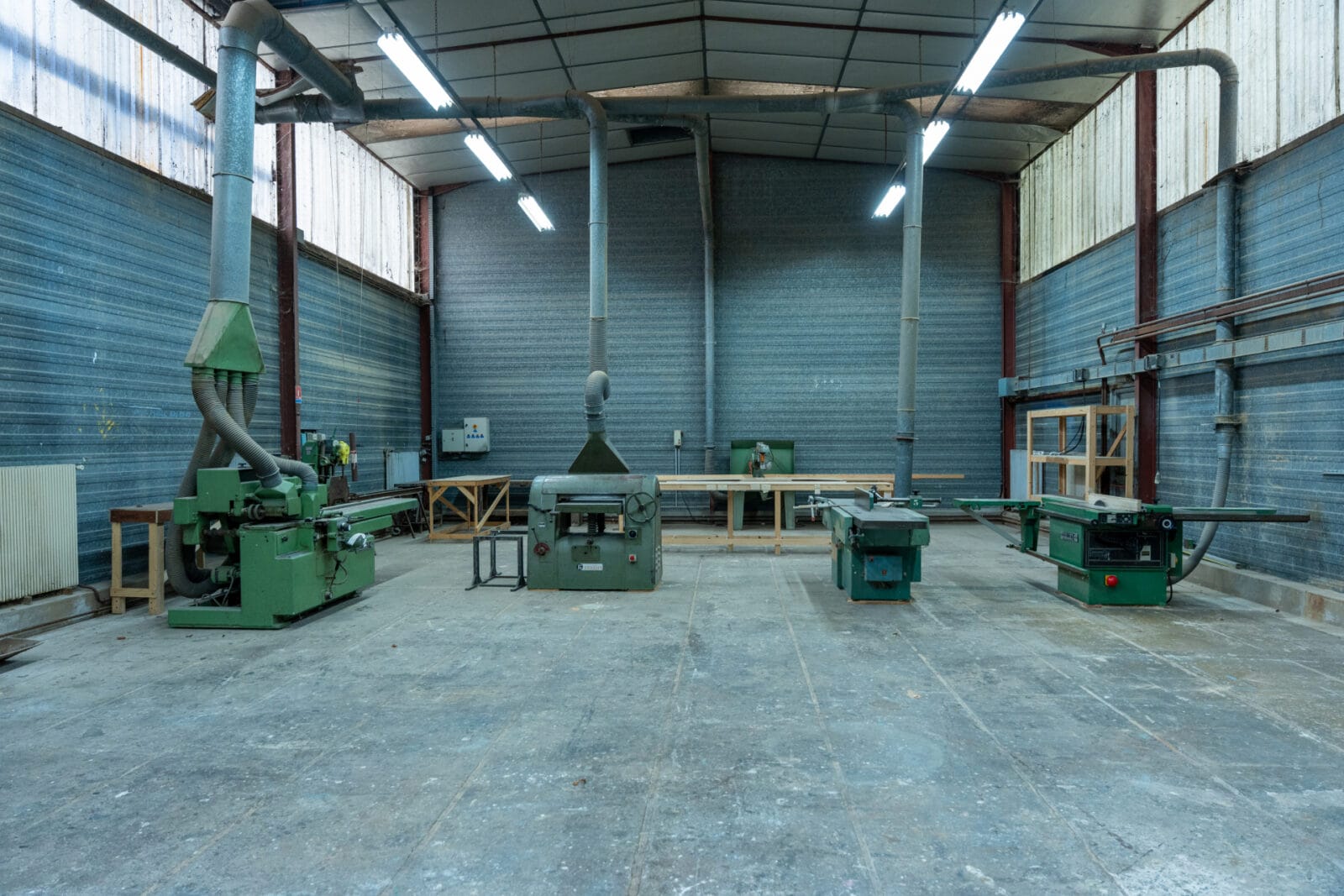
- Centralization of infrastructure: workshops, sets, storage, dressing rooms, offices, parking lots
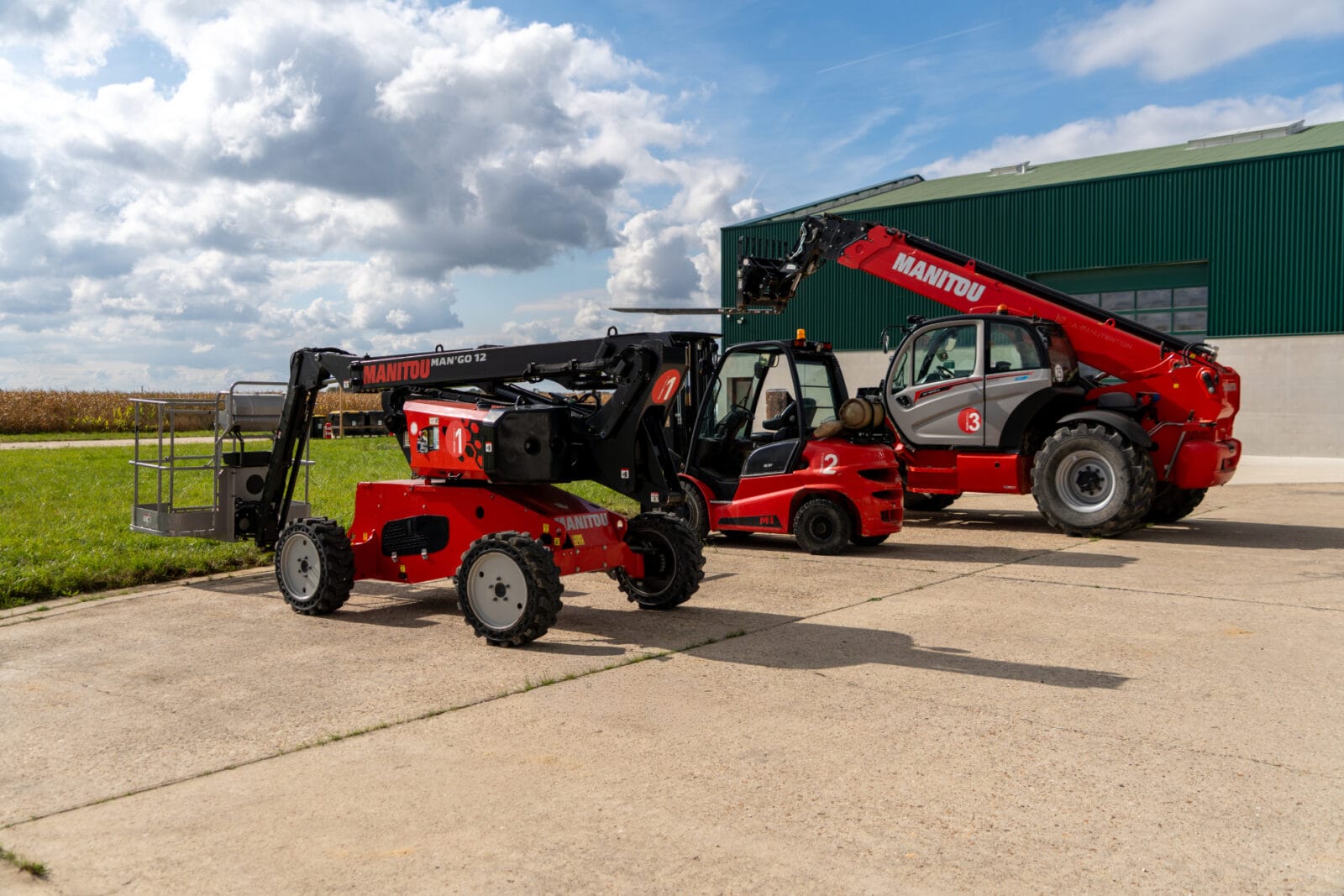
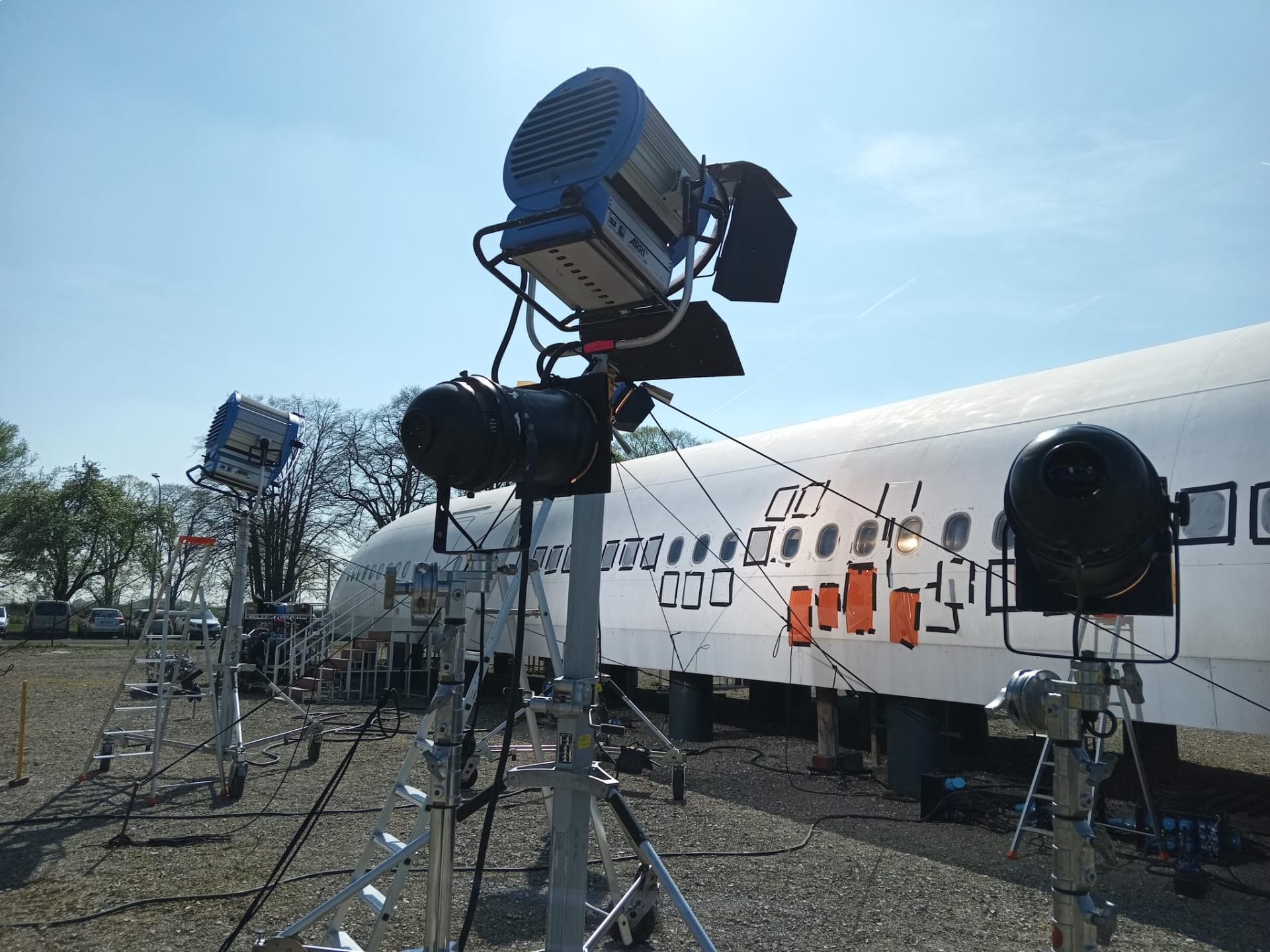
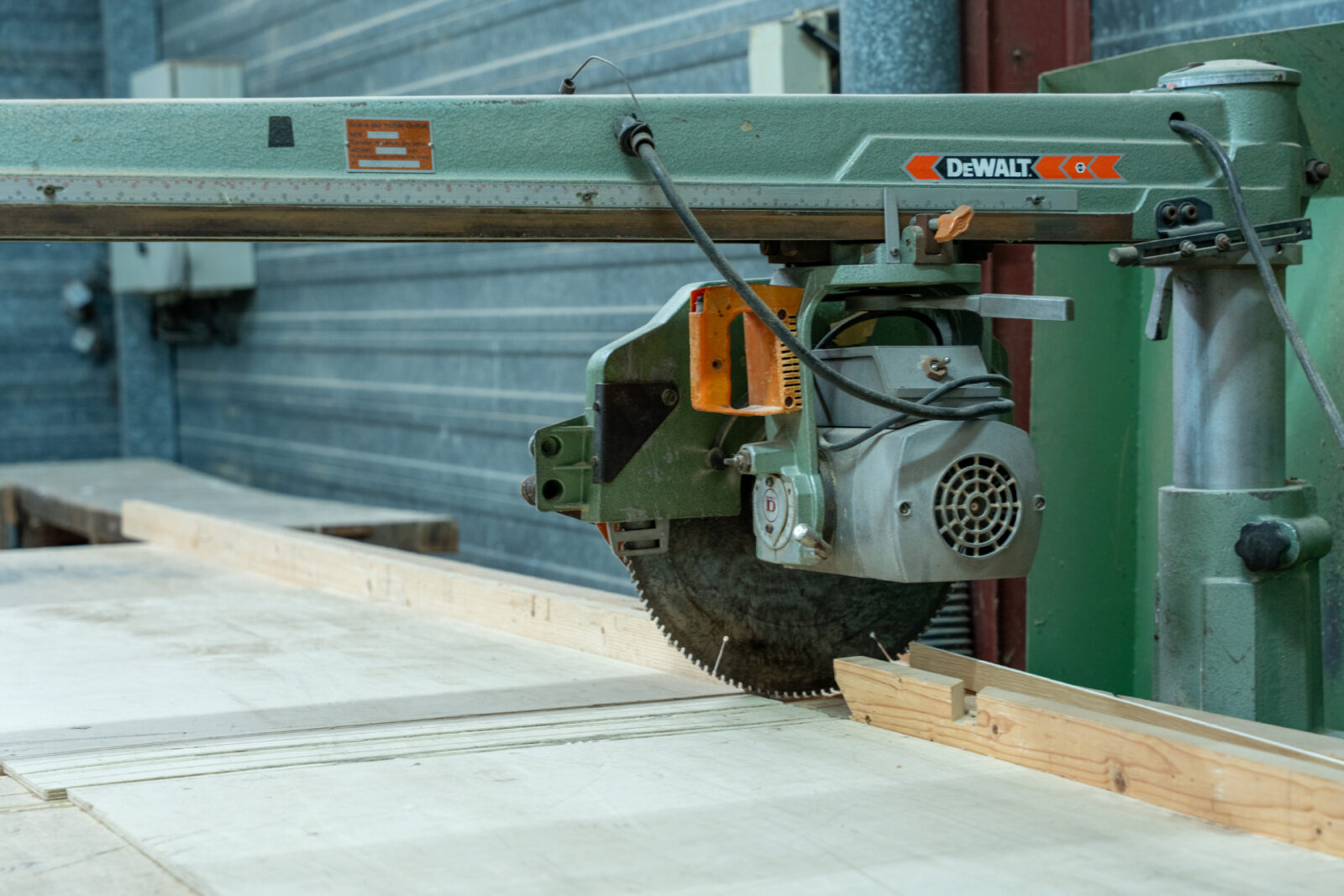
- Rental of technical equipment and machinery
- Shared services: less travel, more efficiency
Responsible consumption
- Renewable energies (solar, biomass)
- Biosourced materials
- Local, sustainable job creation: training, skills enhancement
- Involvement of local players (construction, maintenance, accommodation, etc.)
Extended product lifespan
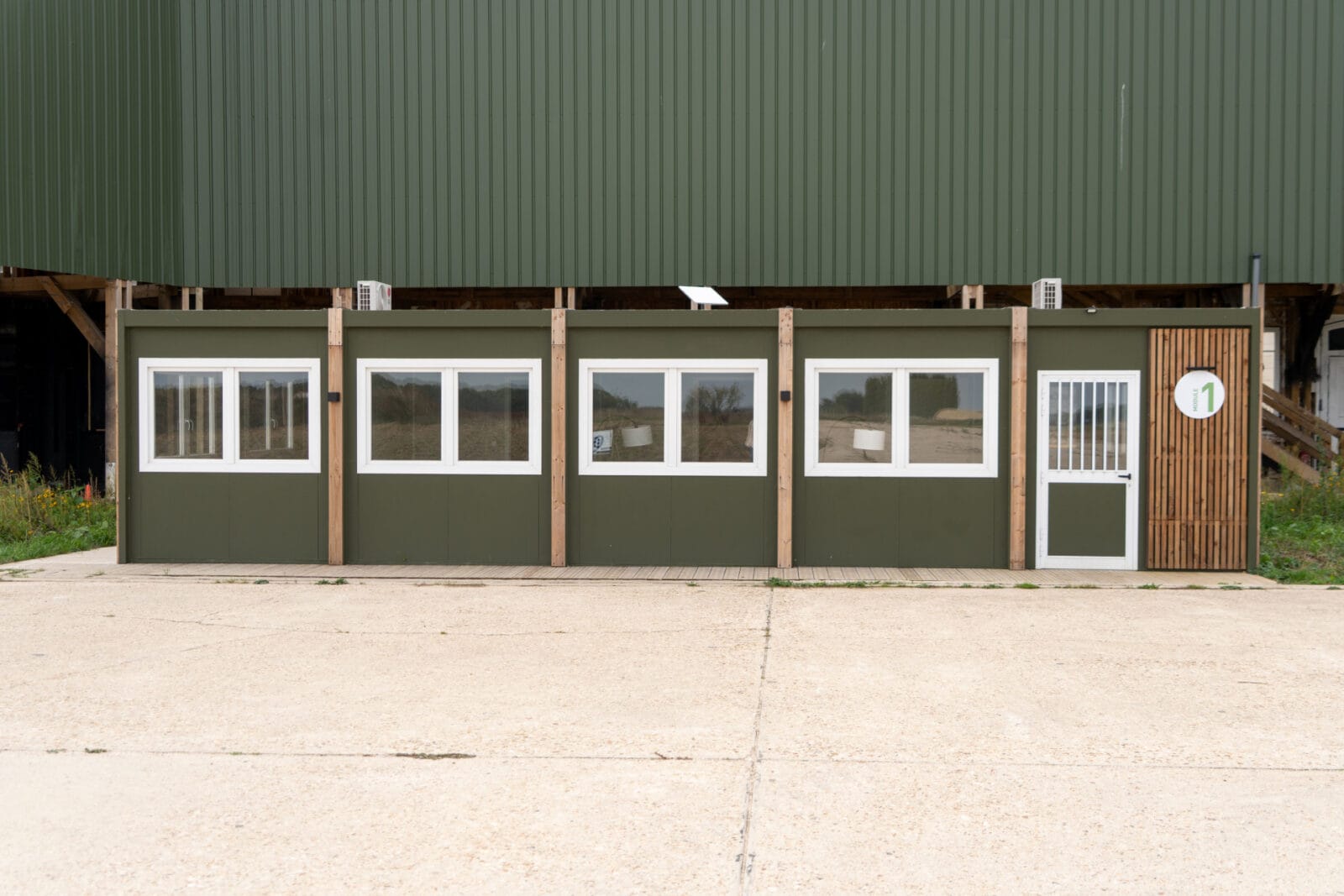
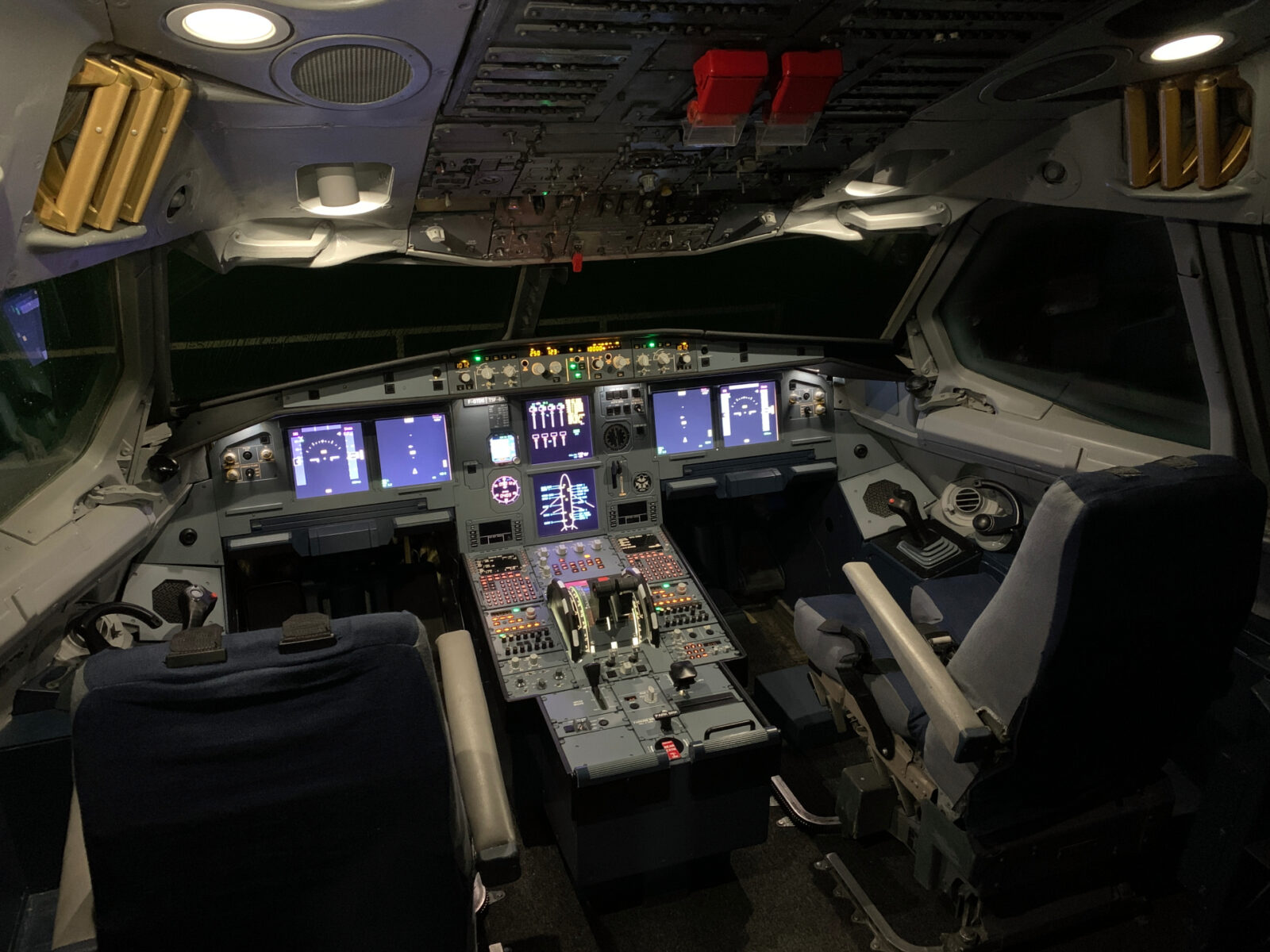
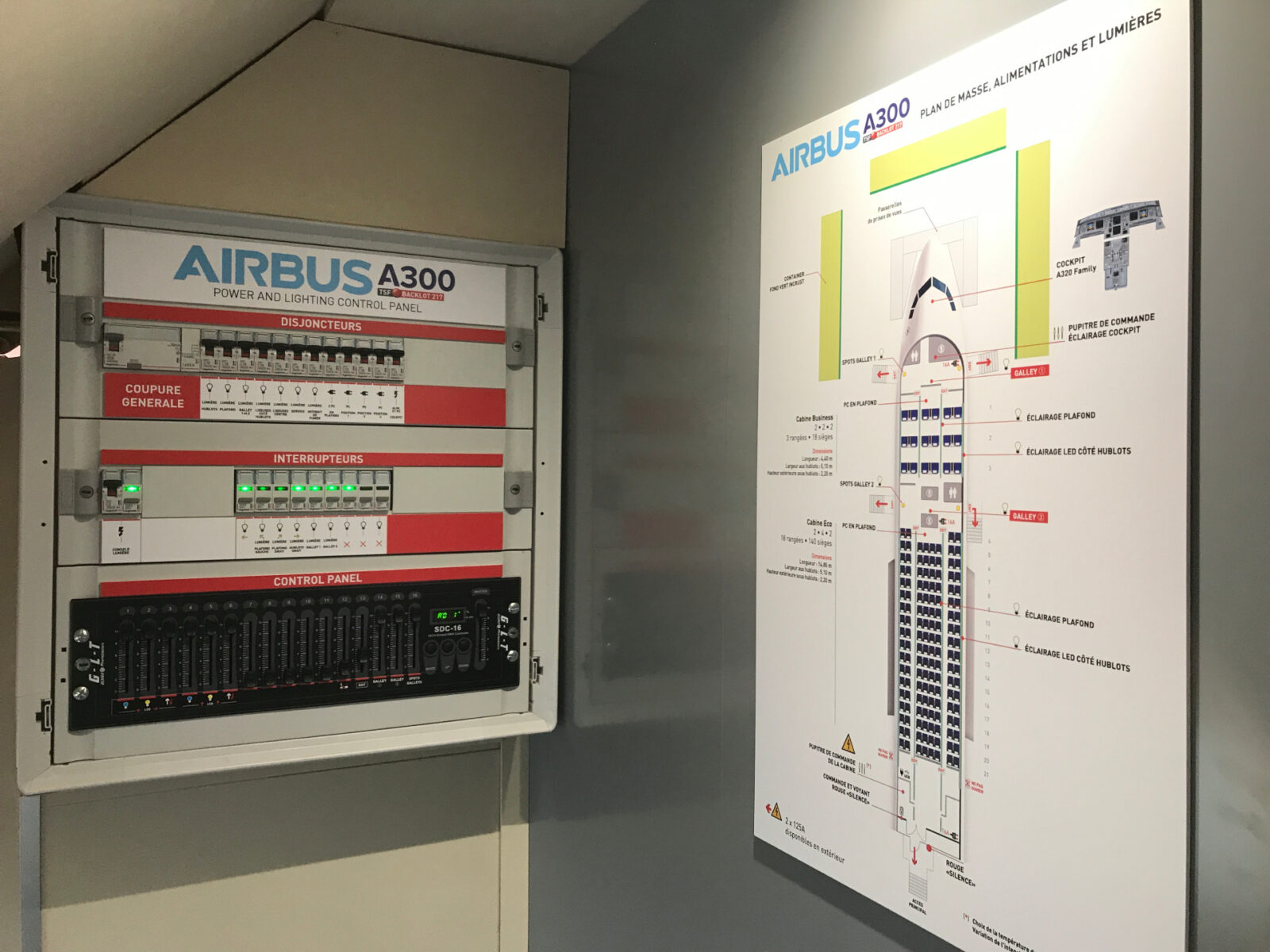
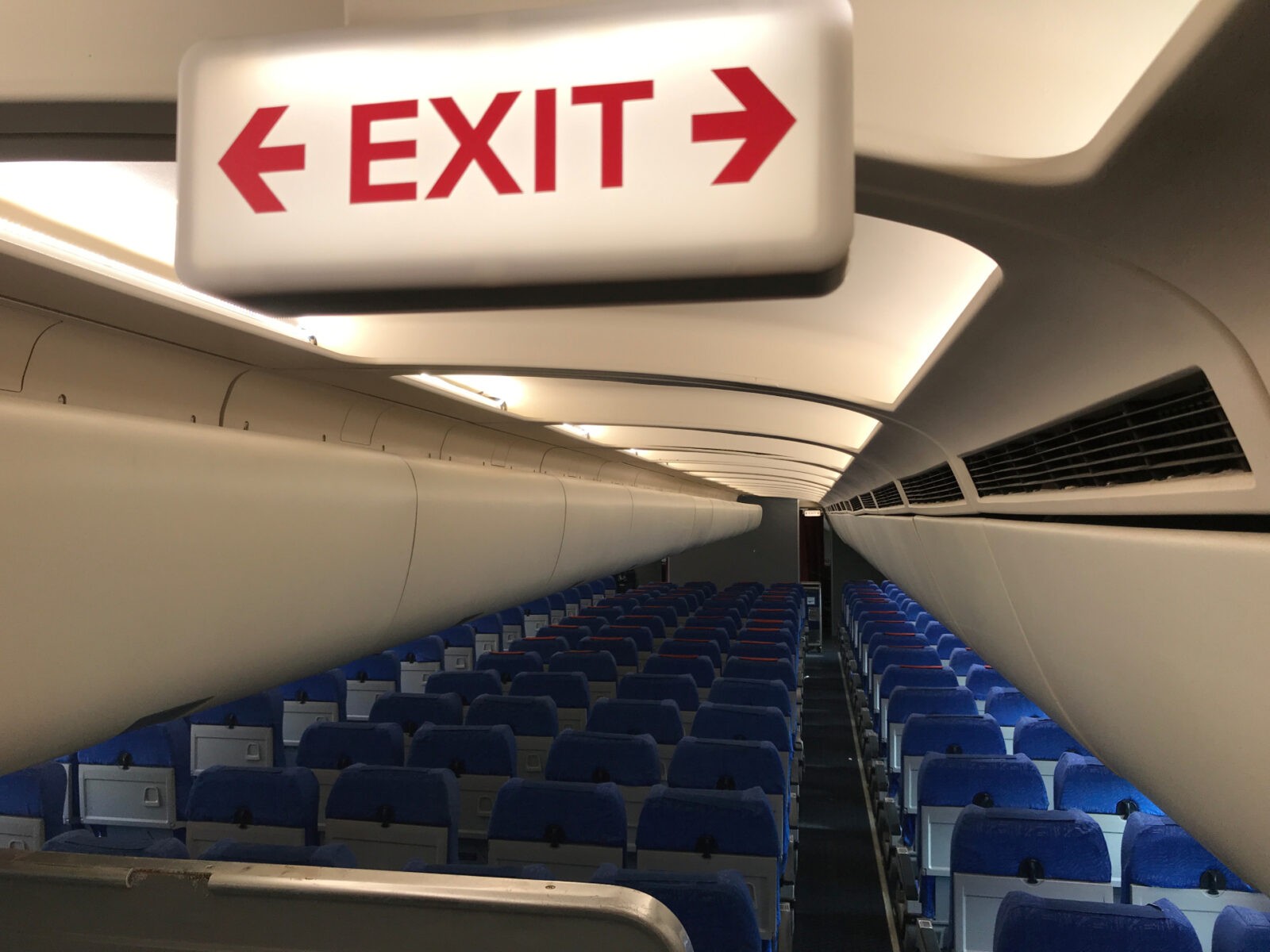
- permanent and modular sets
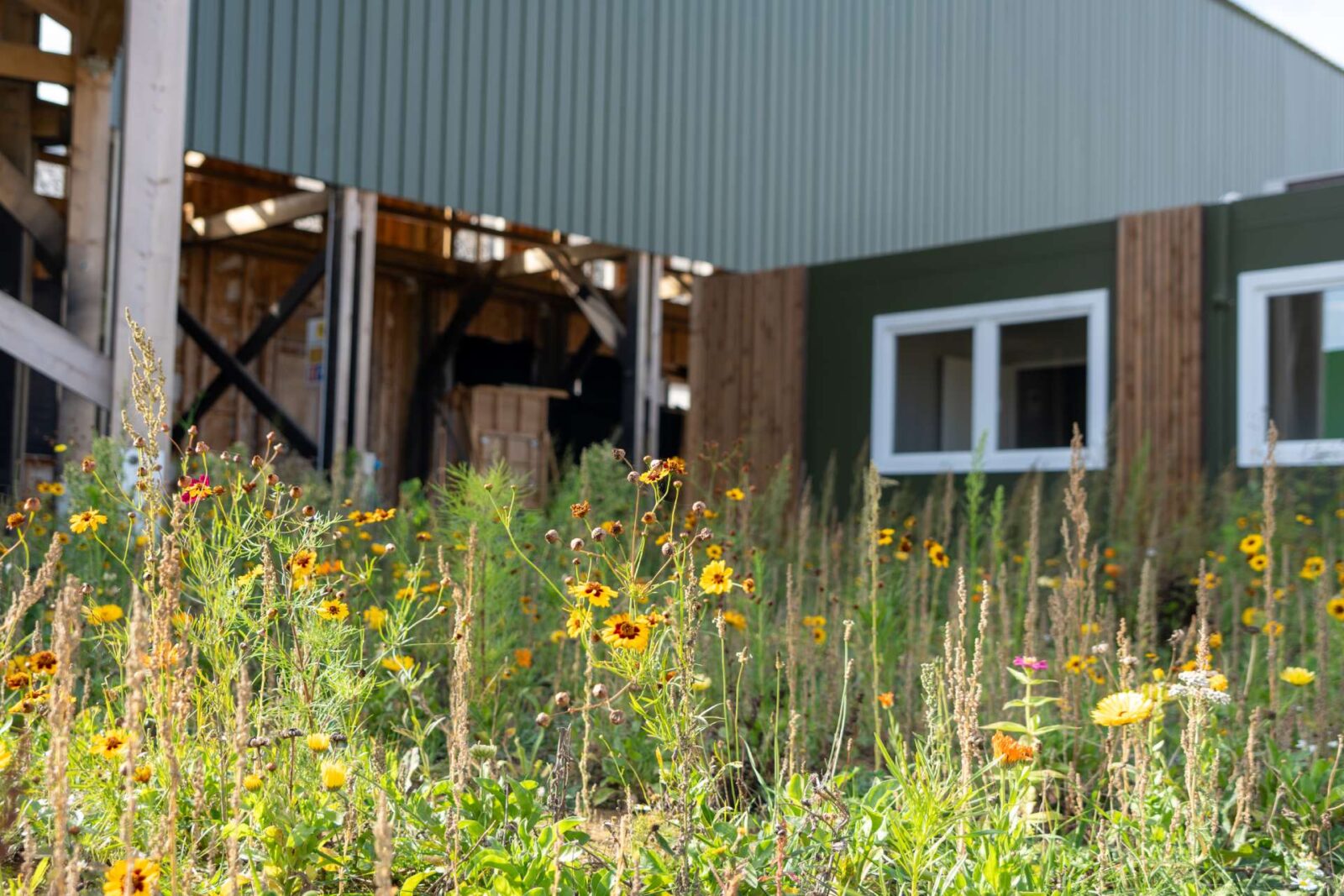
- Enhancing natural spaces: reasoned mowing, eco-pasturing
- Maintaining agricultural activity through appropriate leases
Recycling, product end-of-life
- Rainwater management and recycling
- On-site sets and materials recycling
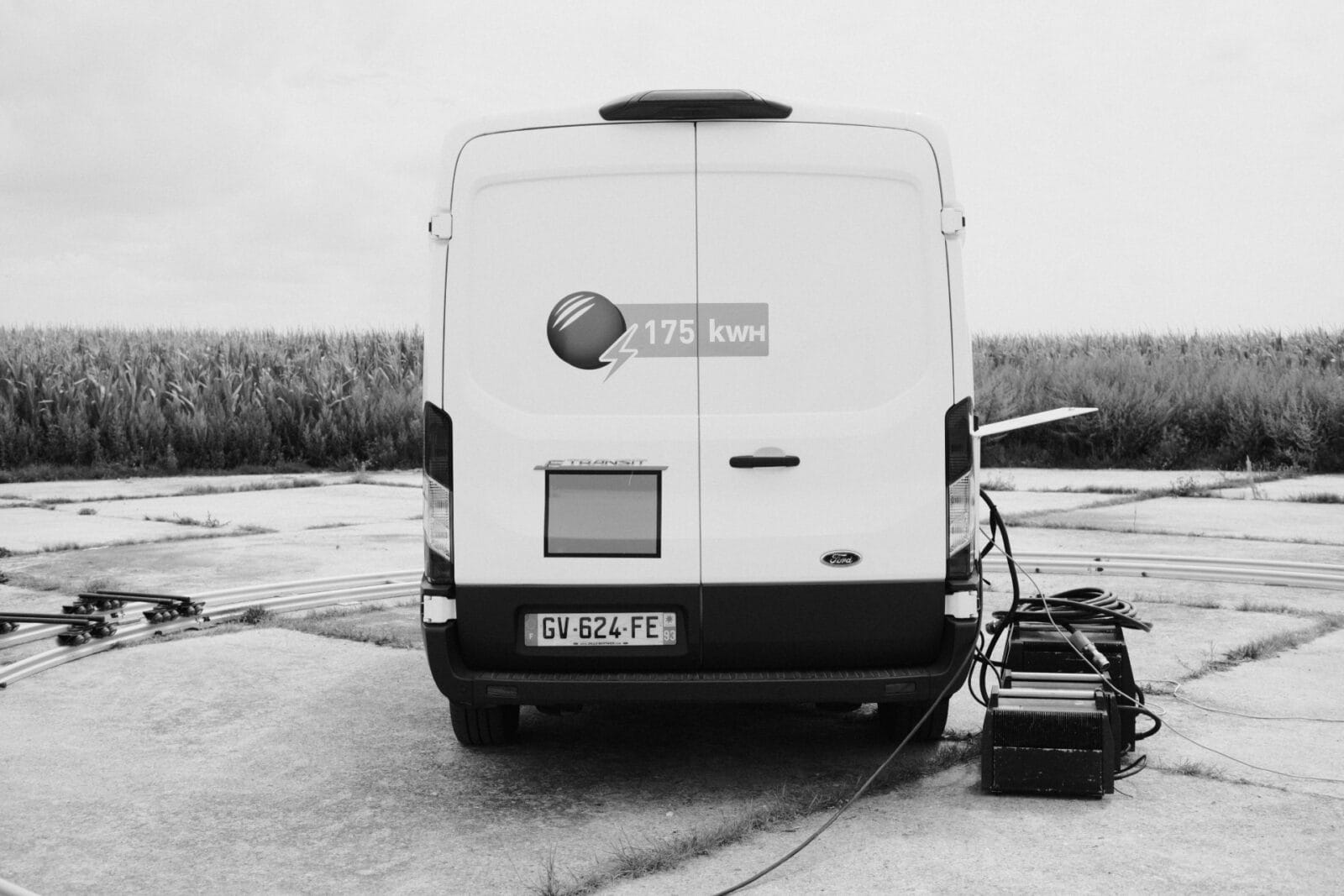
TSF revolutionizes energy
on film sets
With its 100% electric generator integrated into an optimized Ford E-Transit 12m3.
- Increased available power
- Extended energy autonomy
- Fast, flexible charging
- Operate with doors closed
- Advanced battery technology
- HMI dual start system
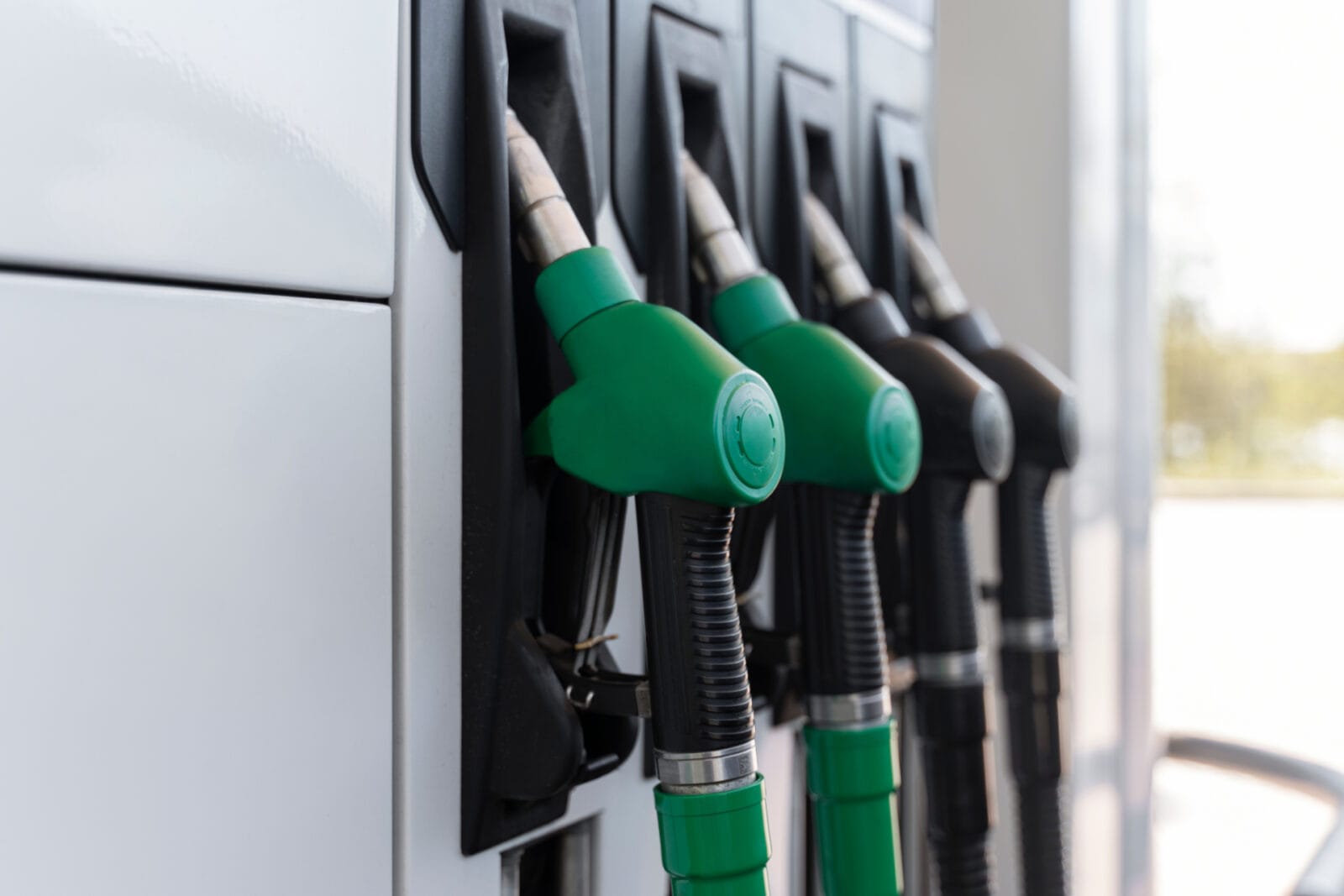
HVO fuel
the clean alternative to diesel
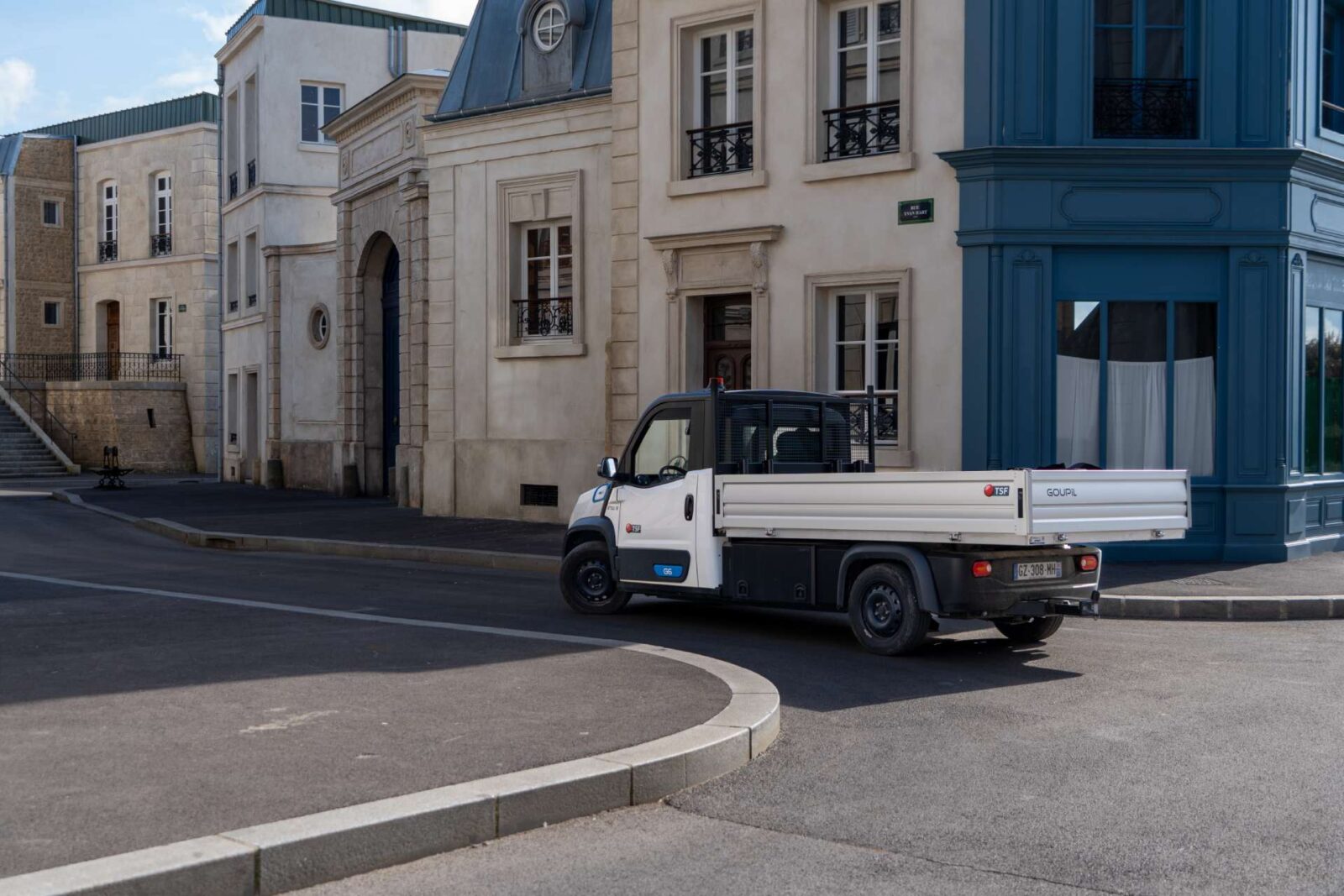
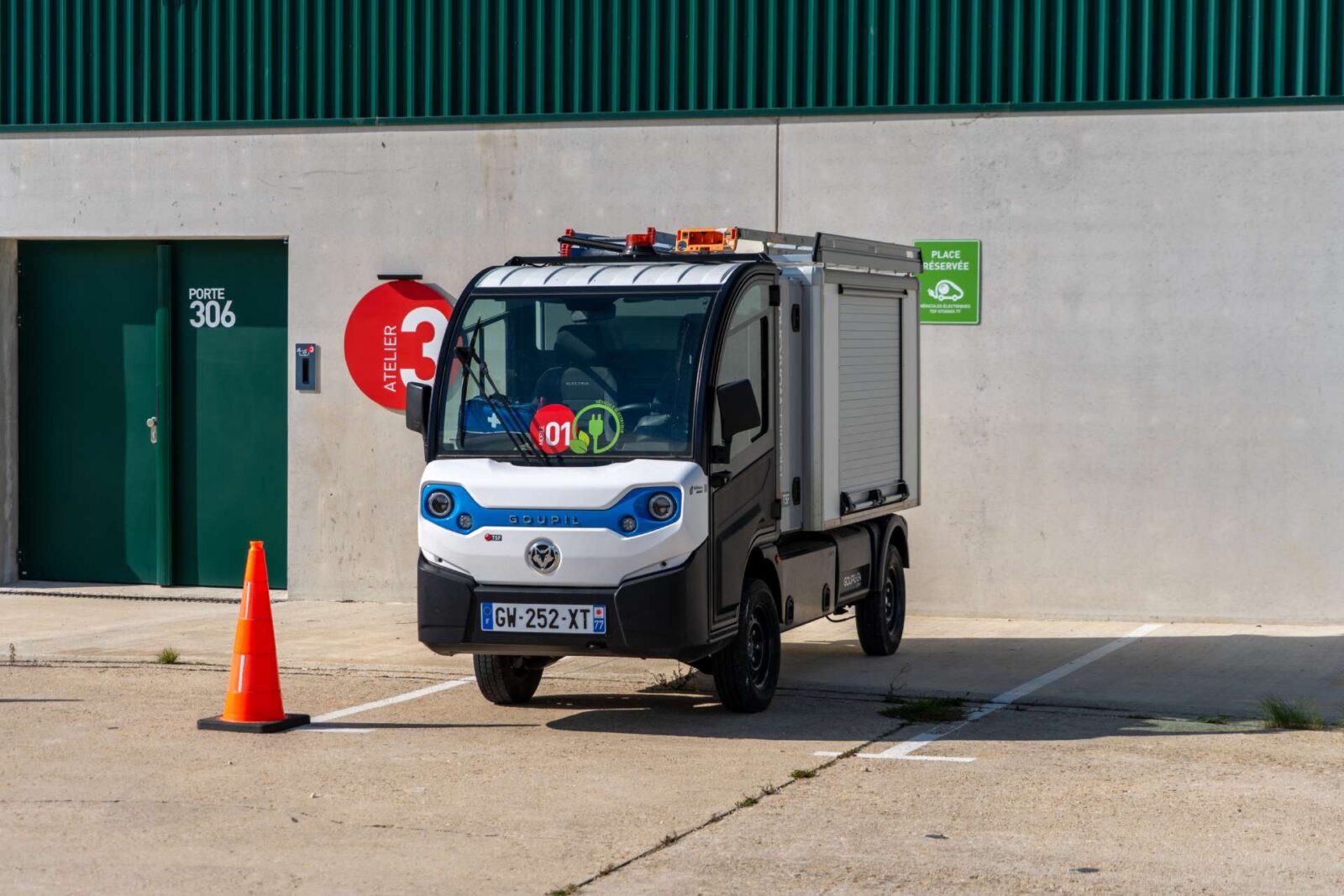
TSF is transitioning its utility fleet and power generators to HVO fuel.
A low-carbon solution, immediately operational and fully compatible with diesel engines (HVO/diesel blends possible), with no impact on operations.